

How UAE's Climate Shapes Seasonal Cuisine
By Habun · Sep 18, 2026 · Category: Dining Experience
Step outside in Sharjah at two in the afternoon during July, and the heat sits close to 45 degrees Celsius. That single fact explains more about seasonal cuisine in the UAE than any cookbook chapter could. When temperatures climb this high, kitchens across the country shift instinctively toward lighter, cooling plates. Once the cooler months settle in, roughly November through March, those same kitchens turn back toward heartier, spice-forward dishes built for evenings outdoors. For a restaurant working across Sharjah and Ras Al Khaimah, that shift isn't decoration. It's a practical answer to what the desert climate demands from a working kitchen.
The Desert Climate Behind Summer Dining in the UAE
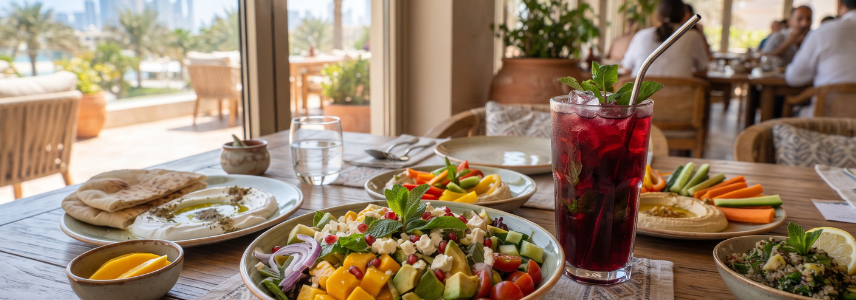
Summer dining in the UAE runs on a different logic than winter dining. Humidity along the coast, combined with sustained high temperatures, changes what people actually want to eat and when. Heavy, slow-cooked dishes lose their appeal by midday. Cold-pressed salads, citrus dressings, and yogurt-based sauces gain ground instead.
Cold beverages carry a lot of the seasonal weight too. Karkade, a hibiscus drink served cold, shows up on menus precisely because it does double duty: it's refreshing and it doesn't require the body to work as hard to cool down after drinking it. Saffron lattes and tiramisu-style coffees, by contrast, tend to sell better once the weather turns.
How Seasonal Cuisine Shifts With the Cooler Months
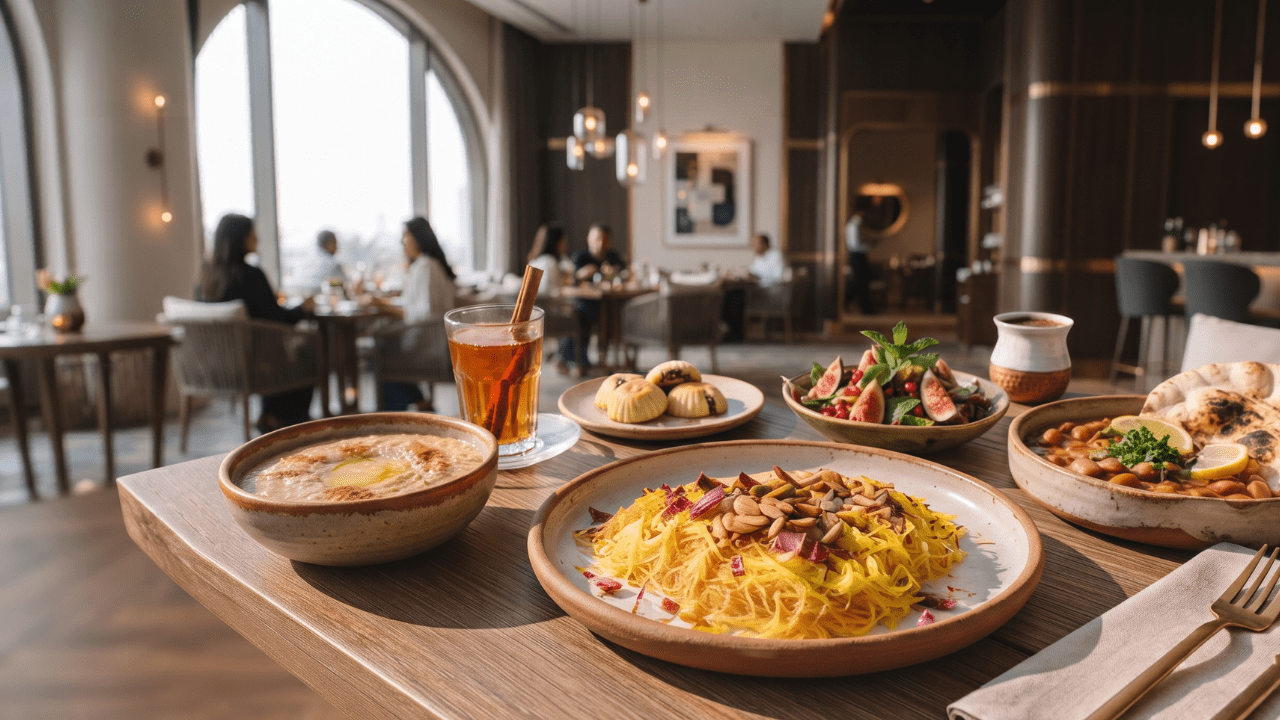
Once the heat breaks, seasonal cuisine in this part of the Gulf leans into breakfast spreads and shared platters. An Emirati-style breakfast built around balaleet, haseeda, foul, and paratha makes far more sense at 9am in January than it does in the peak of August, when few people want a hot plate first thing. Turkish-style breakfasts follow a similar logic, built around eggs, bread, and preserves meant to be eaten slowly.
Cooler months also bring back the appetite for combo-style mains: slow-cooked short rib pasta, richer pink pasta dishes, and grilled steak platters designed for groups sitting outside for longer stretches.
Kitchen Adaptations That Keep Food Safe Through Extreme Heat
Extreme heat changes more than flavor preferences. It changes how a kitchen has to operate. Buffet-style service, for instance, needs shorter exposure windows and tighter refrigeration checks once outdoor temperatures climb past a certain point, since perishable dishes lose their safe holding time faster in high heat.
Sourcing shifts too. Ingredients that travel shorter distances spend less time outside cold storage, which matters more in July than it does in January. None of this is visible on a menu card, but it shapes what actually gets served and when.
From Mango Season to Winter Comfort Plates
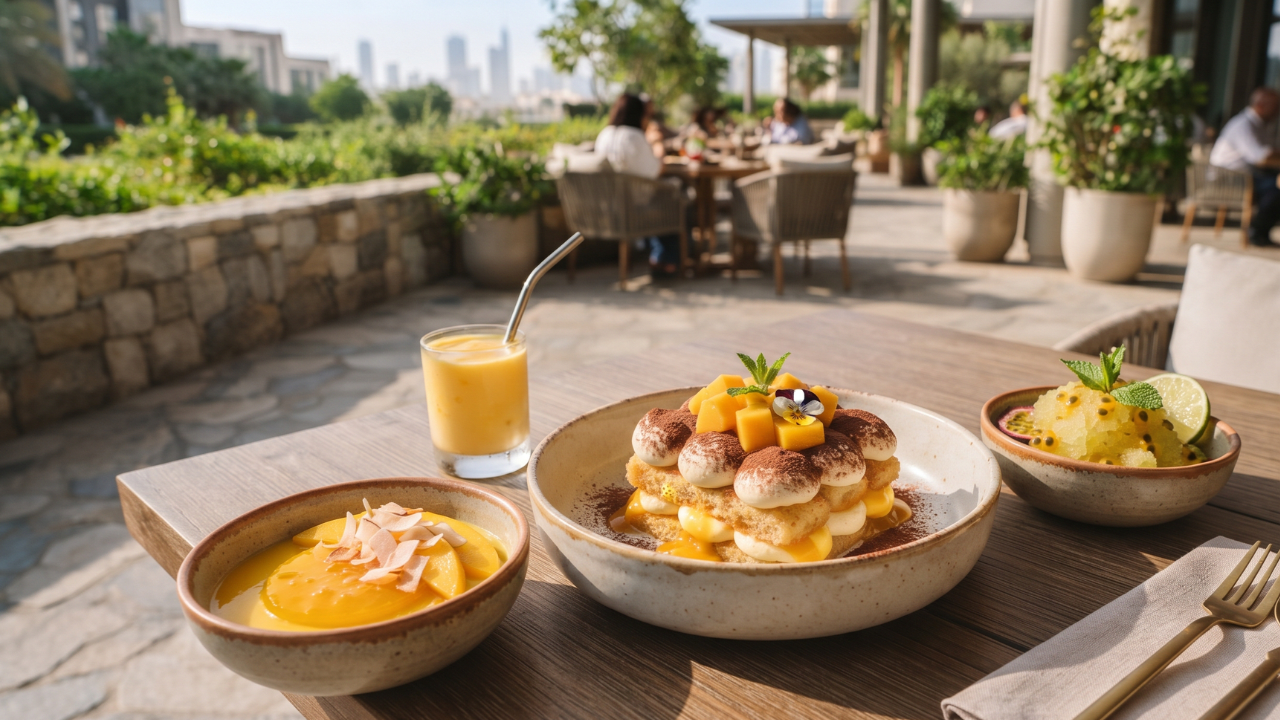
Habun's mango season menu is a clear example of how a fusion kitchen responds to the calendar rather than fighting it. Built around one ingredient across roughly fifteen limited creations, from a mango-forward salad to a mango tiramisu, the menu exists specifically because mangoes peak during the hottest stretch of the year and pair naturally with the cooling, citrus-heavy dishes people already want in summer.
Come winter, the same kitchen pivots toward richer combo platters and slow-cooked mains, served across its Rahmania Mall location in Sharjah and its Grove Village location in Ras Al Khaimah.
Final Thoughts
Seasonal cuisine in the UAE isn't really about trend cycles. It's a direct response to what the climate makes practical, safe, and genuinely appealing to eat at a given time of year. Next time you sit down at a table in Sharjah or Ras Al Khaimah, take a look at what's changed on the menu that month. More often than not, the shift traces straight back to the thermometer outside. What's the most weather-driven dish you've noticed on a UAE menu lately?